Author: admin

  • From Kisoko to the World

    https://www.ntemid.com/from-kisoko-to-the-world/
  • The Unfulfilled pad distribution promise to Girls in Uganda?

    The Unfulfilled pad distribution promise to Girls in Uganda?

    Whenever a girl experiences menstruation for the first time, she crosses a Rubicon that takes her to a place from which she will never remain the same. As normal as the menstrual cycle can be for any girl who starts having it from the age of 10 onwards, it is generally stigmatised in many parts of the world.

    The start of a menstrual cycle comes with fear and anxiety, and that’s even before the shame and sense of hopelessness that a young girl can experience if subjected to harassment by peers and others who find pleasure in degrading what is otherwise a natural occurrence.

    Viola (second name withheld so she could speak freely to us) is one such girl. The onset of Viola’s periods almost cost her a school bursary since she had to stay at home for 4-5 days a month due to lack of sanitary pads. In their place, she would often use pieces of clothes to soak the blood she’d lose during her periods. 

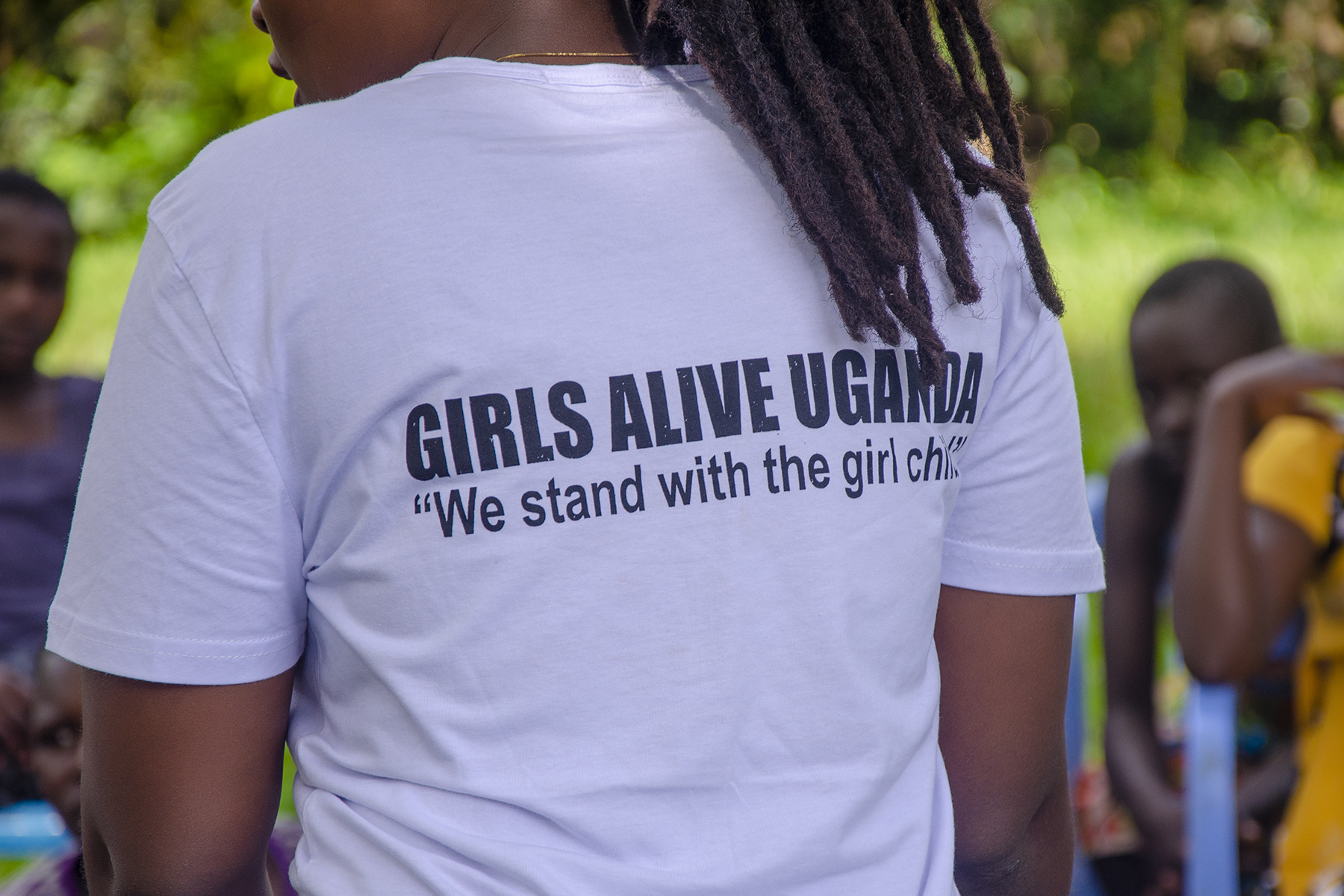
    “When I started my periods, I never knew what had happened until someone at school told me about it. She gave me the first pack of disposable pads. I thought they were given for free until the next month when I had nowhere to get the free pads from,” Viola says. Volunteer at Girls Alive Uganda

    Just like Viola, many girls and women in rural communities across the world and in Africa, endure limited access to basic menstrual hygiene management necessities. 

    According to UNICEF, at least 2.3 billion people across the world lack basic sanitation services. This has been escalated by the COVID-19 pandemic, which has led to the diversion of resources to fight the deadly virus.

    Jacky is a 23-year-old self-employed young woman whose business has been affected by the lockdown and the curfews intended to combat the spread of the coronavirus in Uganda. As a result, she is neither working, making money or in position to buy food and sanitary towels for her inevitable monthlies. 

    “Currently, I am staying with my grandmother. There are males around and I cannot afford to be stained and ashamed in front of them. I am even worried about leaving the house so I spend the day sleeping if I don’t get the pads,” says Jacky.

    MUSEVENI’S PLEDGE

    President Yoweri Museveni had pledged to bring an end to the predicament that girls such as Viola and Jacky face during his current term of office, which ends in February 2021. On 14th November, 2015, while campaigning for another five-year term of office as leader of Uganda at Alira Primary School, in Akura Sub-county, Alebtong District, President Museveni promised to provide free sanitary towels to the school going girl-child to reduce menstruation-enforced absenteeism and improve on their academic performance. 

    “I want all our daughters to attend school and remain there until they complete their studies. One of the reasons that force our daughters out of school is that when their periods start, they do not have sanitary pads. When they are in class, they soil their dresses. So, they ran away from school,” remarked Museveni.”

    However, for most of his presidency, Museveni did not fulfil his promise. And with less than six months to the end of his current term of office, many Ugandans wonder if he ever will – in spite of the continued premises that it will eventually happen.

    Museveni’s office is not forthcoming on the delays either. When contacted on the matter, the President’s Spokesperson, Don Innocent Wanyama, “I will make no comment on this issue. The Ministry of Education and Sports, as well as the Ministry of Health, have already issued official statements on the matter and so I will not give a comment – unless you want me to do the search for this information for you.

    WHAT’S THE COST OF NO PADS

    The lockdown across the country, combined with the overall culture of silence around the topic, undermines the wellbeing of girls especially those in rural communities.

    The COVID-19 pandemic has compounded the lives of the girls who have started their menstrual cycles, further unsettling girls for whom disruptions to life due to their monthlies is part of a reality lived year-in-year-out. Their families are similarly affected.

    Ronald, a father of 3 girls and a head teacher of a privately owned school in Mbale district, has been affected by both COVID-19 and menstruation yet he hasn’t seen or heard of any donations for sanitary towels. 

    “During the lockdown, it is a tough choice to spend the little money I have to buy sanitary towels for my three daughters yet the major focus now is food. Since I have no money to buy the pads, instead I tell my daughters to use clean pieces of clothes as it used to be in the old days,” Ronald laments. 

    The free sanitary pad distribution exercise was expected to start in the 2017/2018 financial year but the ministry of Education and Sports backed down on the promise, saying there was no money.

    According to the Head teacher of Kisoko High School in Tororo District, Ms Grace Nansirumbi, the government has never delivered the pads at least to her rural school. 

    “The schools buy emergency pads to help the girls caught unaware. While the girls are at school, the Senior Women Teachers support and guide them on how to manage themselves during their periods.” Said Ms Nansirumbi

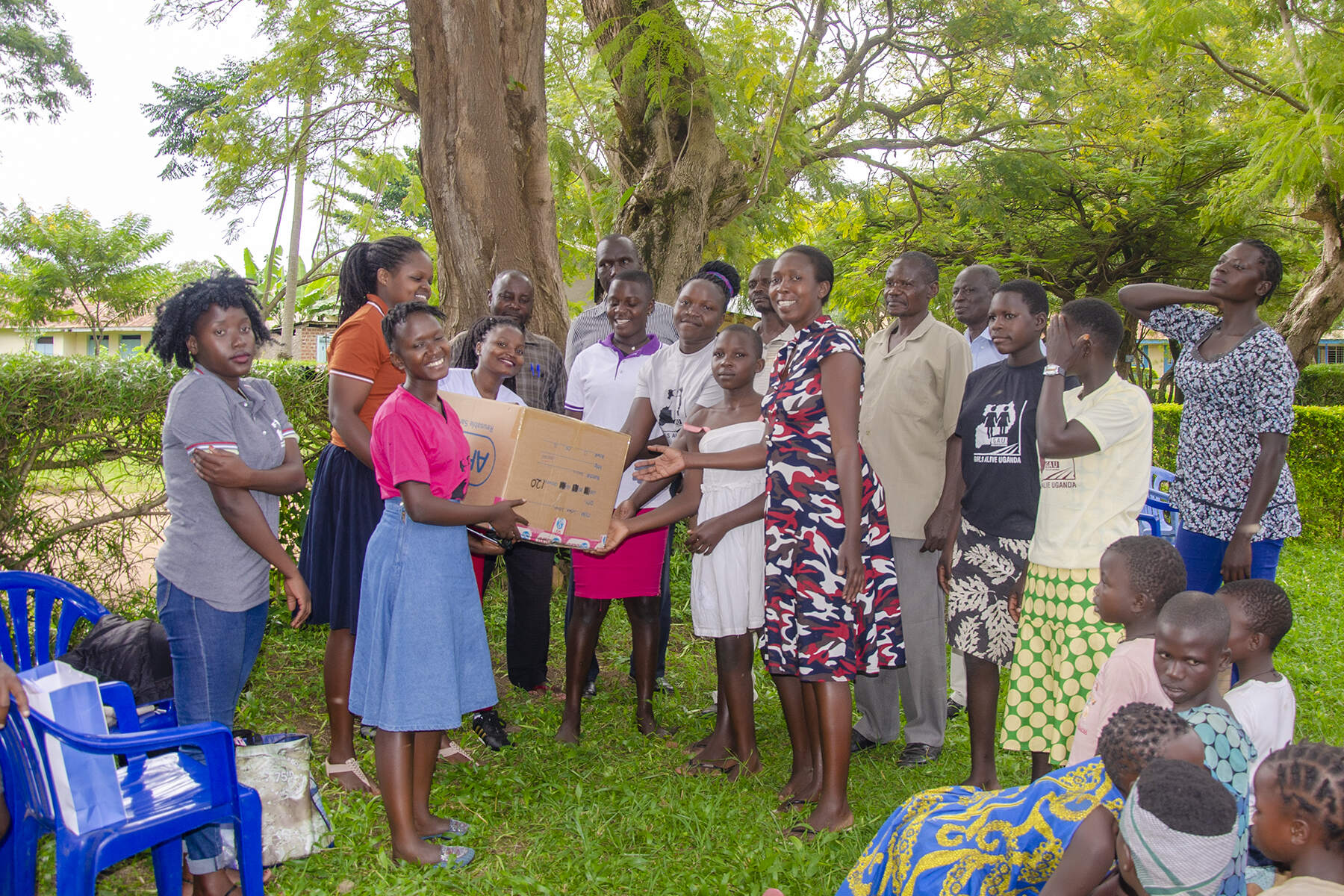
    Photo: Girls Alive Uganda donates to Kisoko High School Community

    Speaking to Dr Stella Nyanzi, an academic-turned-political activist about her effort to distribute free menstrual products among girls in school, she noted that the campaign stopped when she was arrested, detained and charged with public solicitation of funds without obtaining permission from the IGP. 

    “Supporting women and girls with menstrual hygiene management during and post COVID-19 requires that they are taught how to make reusable sanitary pads,” Dr Nyanzi noted.

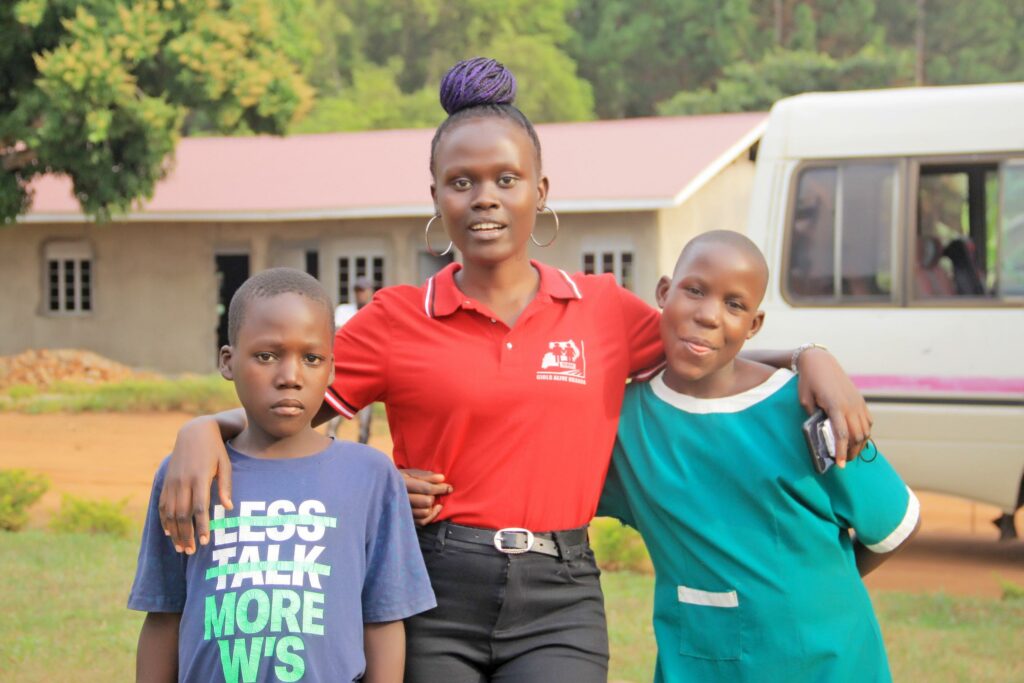
    Marion Apio: CEO & Founder Girls Alive Uganda, empowering girls in Kisoko High School.

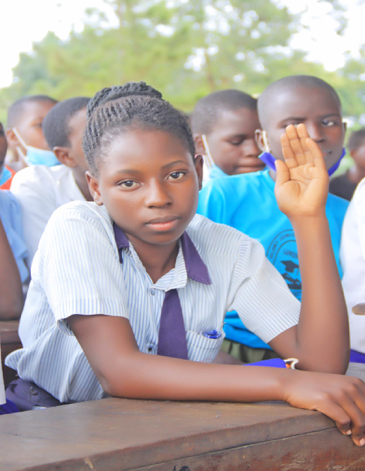
    For many girls in Uganda, lack of sanitary towels means no school at all. This explains the high school dropout rate among vulnerable girl children in the rural parts of the country. According to the World Bank, 500 million women and girls globally lack adequate facilities for menstruation hygiene management.   

    With current measures to contain COVID-19 potentially exceeding five months, the reality for girls and women in rural communities in Uganda is that they are facing broader barriers besides the coronavirus.  It has been five years since the government made a pledge to distribute the free sanitary wear to school going girls.

    EDUCATION MINISTRY SPEAKS

    The Gender Technical Advisor at the Ministry of Education and Sports, Rosette Nanyanzi, says the Ministry has already purchased both reusable and disposal pads that are yet to be distributed to 18,000 vulnerable girls in 39 districts in the country. 

    “We are awaiting clearance from the Ministry of Health in line with the SOPs for us to start the distribution of the pads to the most marginalised. In addition to fulfilling the president’s pledge, as the Ministry we are implementing our mandate to support girls through menstrual hygiene management.”

    Nanyanzi further noted that the Ministry’s focus is not only on the sanitary pads, but also clean water, menstrual hygiene skills and information and a safe environment to dispose of the pads. Additionally, the Ministry is developing a strategic plan that encompasses all the above.

    “The pads that have been bought are of good quality and have been purchased from a Ugandan supplier whose name she withheld. This is part of the Shs 7 billion project under the Global Fund, to keep girls in schools,” Nanyanzi said. 

    When the global crisis passes, shall political leaders, civil society and government go back to old habits of ignoring dire issues like menstruation? Or is this the right time for all the parties to talk about the issue and find relevant working solutions to save the more than 1.5 million girls who are out of school during the global crisis?

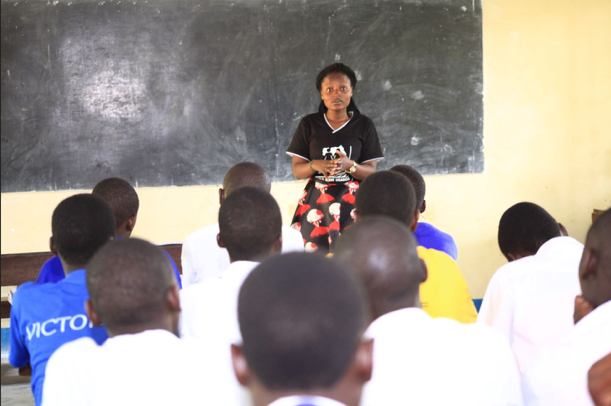
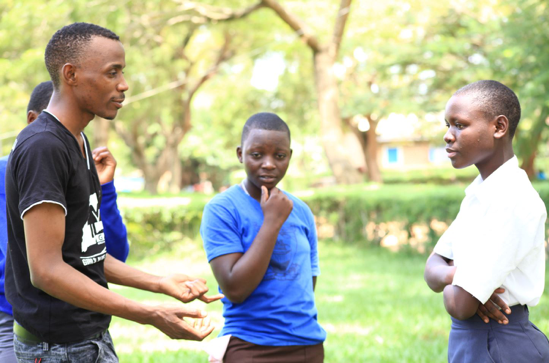
    Photo: Rahman, Volunteer at Girls Alive Uganda Educating girls at Kisoko High School.

    “We all have a role to play in supporting girls and women through their periods,” noted Viola, adding; “We need to educate, skill, empower, change the mind-set and create safe spaces for our girls before and during their period.”


    The author is a 2020 Media Challenge Initiative (MCI) fellow.

  • Why It had to be Girls Alive Uganda

    Why It had to be Girls Alive Uganda

    Are you aware that lack of sanitary pads and menstrual stereotypes are among the leading causes of girl child school absenteeism and drop out? Girls in most rural communities in Uganda miss school for at least 4 days a month because they are menstruating and their parents or guardians cannot afford to buy them pads or are negligent. It is so unfortunate that at the age 15-17 some girls in various rural communities across the globe  have never seen a sanitary pad. 

    My name is Rose Namaalwa, I am a teacher at The Stoneridge School and also an advocate for girls and women in my community. Being an advocate for gender equality, I realized girls missing school due to menstruation was not okay hence having a deep conversation with “GAU”- a youth led organization that deals in breaking menstruation stigma – to come and teach about menstrual hygiene reusable pads since most of the girls in the community have no access to pads, and help in sensitization of menstrual hygiene management to the school community, neighboring schools and the females in the community.

    After informing and engaging with all the stakeholders at the school and in the community about my conversation with Girls Alive Uganda, everyone was convinced and they were looking forward to host Girls Alive Uganda to tackle the major theme of menstruation which was seen as a challenge in the Nalongo community where the school is located. Also a very great way to celebrate the International Women’s Day. 

    On the 8th March 2021, the long awaited team landed at the place. Girls Alive Uganda created a lot of awareness about menstruation in the host community, taught most of us how to make Reusable pads and its  maintenance. They also carried refreshments to the participants and also donated clothings  to everyone who was present on that day. 

    In the long run, girls and women in Nalongo community registered a lot of progress from Gau and always reminds me to call them (GAU) to go back and have refresher training. Through this awareness, I was in position to come up with “Girls Leading Our World club ” in Nalongo community where a lot of other hands on skills have been passed on to women.

    “From the time Ribbinnah received training from the other organization that you invited at school, she is very smart and clean, very confident and she has started focusing” Mzee kagumira a grandfather to Robbinnah….. Commented. Gau has continued to deliver almost the same sessions in different communities but I really ask myself about the sustainability of these beautiful things that are done in these communities if we don’t go back to check on them…

    In my opinion, Girls Alive Uganda has done  a very tremendous work in fighting menstruation Stigma but also sustainability should be worked upon. For Example, making random visits to communities where you have passed on the knowledge about menstruation and see whether the project is still in existence.

    By; Guest Writer 

    Ms. Rose Namaalwa(BASS)

    The StoneRidge in Kira municipality in Wakiso district.